
Disclosure: As an Amazon Associate I earn from qualifying purchases. How this site works
Where to Buy Truck Floor Mats
Each category below links to current listings on Amazon (opens in a new tab). Use this checklist to compare truck floor mats before you buy.
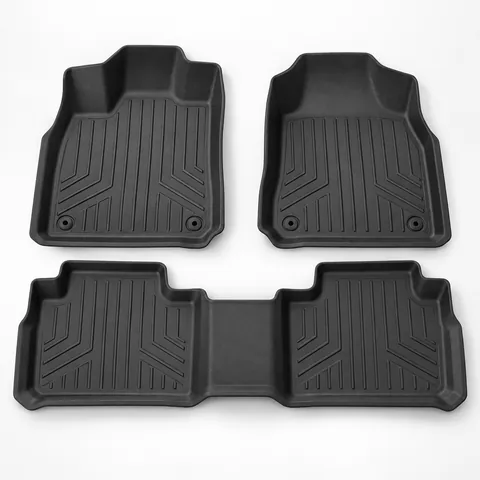 Custom-fit truck floor liners
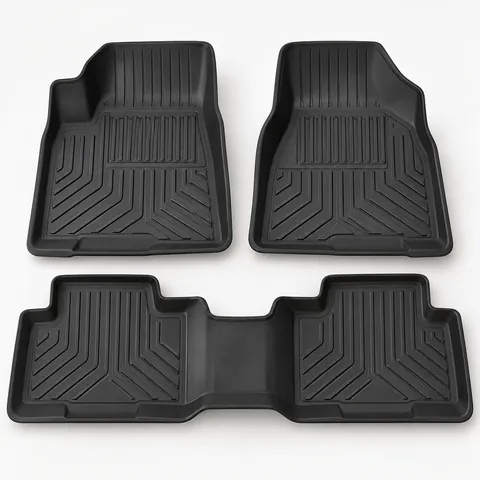 All-weather rubber truck mats
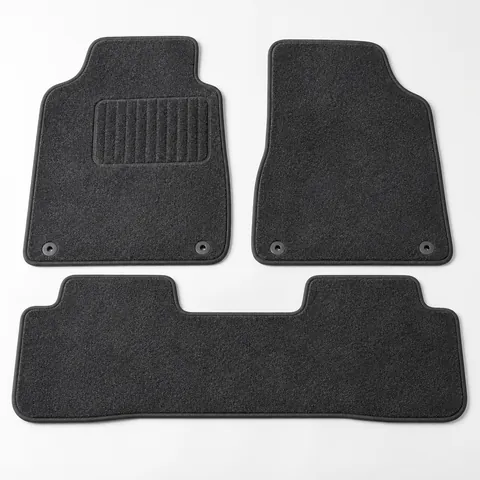 Carpet truck mats
Before you buy
- Confirm year, make, model and cab style.
- Check seat configuration and rear floor features.
- Confirm retention hook compatibility.
- Choose liner, rubber or carpet.
- Check the return policy in case of fit issues.
Categories referenced on this site
Dealer accessories
Your truck’s dealer parts counter sells factory mats designed for your model, which is a reliable way to get the right fit and retention.
Should you buy truck floor mats online or in a store?
Buying online usually gives you the widest selection, especially if you need mats for a specific cab style, vinyl floor, rear under-seat storage layout, or a less common trim. It is also easier to compare photos, edge height, coverage area, and whether the front and rear pieces are sold as a set. The trade-off is that you must verify fit before opening and installing the mats, because small trim differences can matter.
Buying in a store can be better if you need mats today or want to feel the material before buying. Local auto parts stores often carry universal and trim-to-fit options, plus some vehicle-specific mats for popular trucks. The downside is that the shelf selection may not cover every cab length or model year, and universal mats may leave gaps around the sill, pedals, or rear floor hump.
A good rule of thumb: buy vehicle-specific liners online when fit and spill containment matter most; shop locally when you need a basic mat quickly or want to compare rubber thickness and texture in person.
What type of seller is best for your situation?
| Seller type | Best for | What to check before buying |
|---|---|---|
| Online marketplace | Comparing several brands, materials, and cab configurations in one place | Use the garage or fitment tool, then confirm against the product title, images, and description. |
| Manufacturer website | Getting the most direct fit information and installation notes | Check whether the site lists your exact cab, floor type, and seat layout. |
| Local auto parts store | Same-day pickup and basic all-weather protection | Open the package only if the store allows returns after a fit check; keep the receipt. |
| Truck dealer parts counter | Factory accessory mats and original-style retention points | Confirm whether the set includes front only, rear only, or both rows. |
| Used or resale listings | Replacing a missing mat or finding discontinued factory pieces | Inspect photos for curled edges, torn retention holes, stains, and worn heel pads. |
No matter where you buy, be cautious with listings that use broad phrases such as "fits most trucks" if you expect a tight fit. Those mats may work for light-duty use, but they are not the same as a liner shaped for your exact floor pan. Also check who handles returns: the marketplace, the seller, or the manufacturer. That detail matters if the mat interferes with a pedal, does not line up with the hooks, or leaves a large gap around the door sill.
How do you avoid ordering the wrong truck floor mats?
Before placing an order, gather the details that change floor mat fit. Do not rely only on the model name printed on the tailgate. Trucks often have multiple cab sizes and interior floor layouts within the same model year.
Use this quick process before you click buy:
- Write down the full model year, make, model, and trim from your registration or door jamb label.
- Identify the cab style: regular cab, extended cab, double cab, crew cab, or the manufacturer’s equivalent name.
- Check whether your truck has bucket seats, a center console, or a front bench seat.
- Look at the rear floor. Note under-seat storage bins, a flat load floor, rear vents, seat tracks, or a transmission tunnel.
- Check the driver-side retention system. Count the hooks or posts and note their shape and location.
- Decide whether you want front mats only, rear mats only, or a full set. Some listings show a full cabin but sell only one row.
- Compare the product photos to your actual floor, especially around the pedals, door sill, seat mounts, and rear hump.
- Read the return terms before purchase, including whether opened mats can be returned after a dry fit.
When the listing gives you a choice between several submodels, do not guess. If the photos do not match your floor, keep looking or contact the seller with your VIN and cab style. A few minutes of checking can prevent the most common problem: a mat that is almost right but not safe or secure enough to use.
Where can you buy each kind of truck floor mat?
Start with the type of protection you need, then choose the seller. Molded liners are best when you want raised edges, tighter coverage, and easier cleanup after mud, slush, or jobsite debris. You can compare custom-fit truck floor liners if your main concern is maximum coverage and a shaped fit.
All-weather rubber mats are a practical middle ground. They are usually easier to remove and rinse than carpet, and many have channels or ribs to hold water and dirt. If you want flexible protection for wet shoes, towing weekends, or winter use, compare all-weather rubber truck mats and check that the driver mat locks down securely.
Carpet mats make sense when comfort, cabin appearance, and everyday dry-weather use matter more than mud containment. They can match an interior better than rubber, but they need more frequent vacuuming and spot cleaning. If that is your priority, look at carpet truck mats and pay attention to heel pad coverage and backing material.
For work trucks, farm trucks, and trucks that carry pets or kids, prioritize coverage, edge height, and easy washing over appearance. For a commuter truck that stays mostly clean, carpet or lower-profile rubber may be enough. For leased trucks, choose mats that protect the original carpet without requiring trimming, drilling, adhesive, or any modification that could create a return issue.
What should you check when the mats arrive?
Do a dry fit before using the mats. Remove the old mats first; stacking a new mat on top of an old one can cause sliding or pedal interference. Set each mat in place and press it into the retention hooks or posts, then move the pedals by hand and with your foot while the truck is parked.
Look for curled edges near the accelerator, brake pedal, door sill, and seat rails. A liner that sits high at the edge may settle slightly after shipping, but it should not bunch up or creep forward. If the mat blocks a pedal, does not lock to the retention system, or will not lie flat after following the manufacturer’s instructions, do not drive with it installed.
Keep the box, labels, and packing materials until you are sure the fit is correct. Many returns are easier when the mat is clean and the original packaging is available. Take clear photos of any mismatch before contacting the seller so you can show the exact issue.
Frequently asked questions
Is it better to buy truck floor mats from Amazon, a dealer, or the manufacturer?
Choose based on fit confidence and return flexibility. Online marketplaces are useful for comparing many options, manufacturers often provide detailed fit notes, and dealers are strong for factory-style accessories. Check the exact cab and floor layout no matter which seller you use.
Can I use universal floor mats in a truck?
Yes, but they are a compromise. Universal mats can protect part of the floor, but they may not cover the door sill area, rear hump, or footrest as well as vehicle-specific mats. The driver mat must not slide or touch the pedals.
Are truck floor liners worth buying instead of rubber mats?
Liners are worth considering if you regularly deal with mud, snow, spills, gravel, or worksite debris. Their raised edges and molded shape usually contain messes better than flat mats. Rubber mats can still be a good choice if you want simpler coverage that is easy to remove and rinse.
What information do I need before ordering truck floor mats online?
Have the year, make, model, cab style, seat layout, and floor type ready. Also check the driver-side retention hooks and any rear floor features such as storage bins or a flat load floor. Match those details to the listing before buying.
Should I keep the factory mats under new all-weather mats?
No. Use one mat per seating position unless the manufacturer specifically says otherwise. Stacking mats can prevent the retention hooks from working and may cause the top mat to slide toward the pedals.
Disclosure: As an Amazon Associate I earn from qualifying purchases. This site may earn a commission when you buy through its links, at no extra cost to you. Product details come from public manufacturer information; always check the merchant page for current specifications and prices. We have not hands-on tested the products described here.