
Disclosure: As an Amazon Associate I earn from qualifying purchases. How this site works
Floor Liners vs Floor Mats
The words are often used interchangeably, but floor liners and floor mats are built differently.
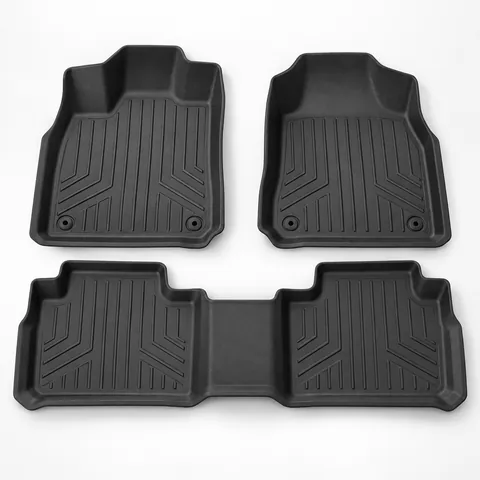 Custom-fit truck floor liners
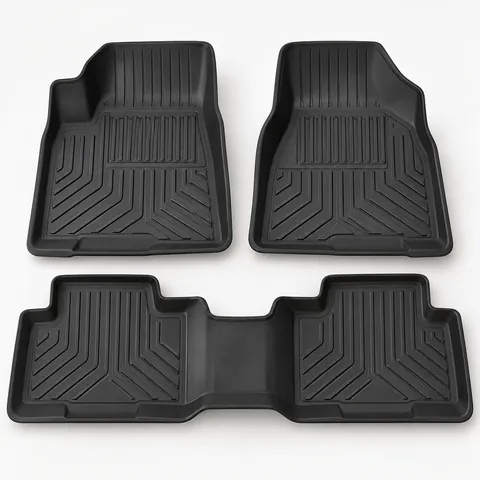 All-weather rubber truck mats
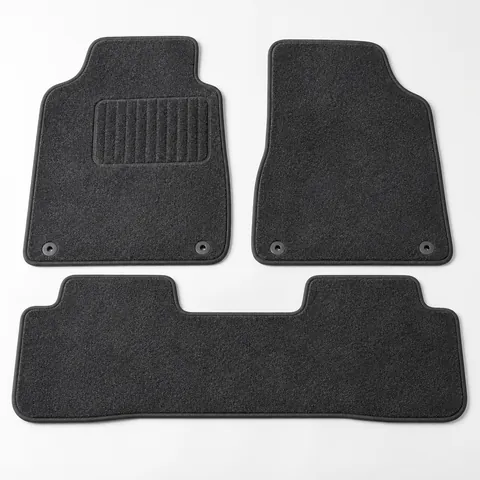 Carpet truck mats
Side by side
| Floor liners | Floor mats | |
|---|---|---|
| Shape | Moulded tray that follows the floor and sides | Mostly flat, sometimes with shallow ridges |
| Edges | Raised, contain spills | Low or none |
| Fit | Vehicle-specific | Vehicle-specific or universal |
| Price | Higher | Lower |
| Best for | Mud, snow, spills, work | Light use, dry weather |
Which to choose
- Choose liners if you often step in with wet or muddy boots, carry drinks, or live somewhere with snow and salt.
- Choose mats if you want lower cost, easy replacement or a carpet look.
- Either way, secure them to the retention points and never stack them.
Compare floor liners and carpet mats.
How to decide based on how you use your truck
The right choice depends less on the name and more on what ends up on your boots, your pedals, and your carpet. Think about the worst week your truck sees, not the cleanest week. A weekend grocery run truck has different needs than a truck used for job sites, fishing, hunting, towing, or winter commuting.
| Your situation | Better starting point | Why it matters |
|---|---|---|
| Snow, road salt, slush, or clay mud | Floor liners | Raised sides help keep water and grit from spreading under the mat. |
| Mostly paved driving with dry shoes | Carpet or rubber mats | A flatter mat may be easier to remove, shake out, and replace. |
| Work truck with boots, tools, or frequent passengers | Heavy-duty liners or rubber mats | Durability and quick cleaning matter more than a plush look. |
| Daily driver where cabin appearance matters | Carpet mats or low-profile liners | Carpet looks closer to the factory interior, while liners give more coverage. |
| Leased truck or truck you plan to resell | Custom-fit liners | Better coverage can help protect original carpet from stains and wear. |
If you regularly climb in with wet boots, start with custom-fit truck floor liners. If your truck sees moderate dirt but you want something simple and washable, all-weather rubber truck mats can be a practical middle ground. If the truck stays clean and you want a softer factory-style cabin, carpet truck mats are usually the cleaner-looking option.
Material differences: rubber, TPE, vinyl, and carpet
Floor protection is not only about shape. The material affects grip, odor, flexibility in cold weather, how easy it is to clean, and how the mat looks after months of use.
- Rubber is flexible, grippy, and common in all-weather mats. It can be heavy enough to stay put, but you should still use the factory retention hooks or clips.
- TPE and similar thermoplastic materials are often used for molded liners. They can hold a tray-like shape well, rinse clean easily, and are usually lighter than thick rubber.
- Vinyl is usually easy to wipe down and can be found in budget mats. It may feel slicker than rubber, especially when wet, so check pedal clearance and foot grip carefully.
- Carpet is best for appearance and comfort. It absorbs more moisture than rubber-like materials, so it needs more drying time if it gets soaked.
For hot climates, check whether the material feels too soft or slippery after sitting in the sun. For cold climates, check whether it gets stiff enough to lift at the edges. Either condition can be a problem if it changes how the mat sits near the accelerator, brake, or clutch pedal.
Odor is another practical factor. Some new rubber or plastic mats have a smell when first unpacked. Air them out before installation, especially if the truck is parked in a garage or used by children, pets, or passengers who are sensitive to odors.
Fit and safety checks before you drive
A floor mat or liner should protect the carpet without becoming a moving part under your feet. Fit is most important on the driver side because any interference near the pedals can create a safety issue.
- Remove the old mat first. Do not place a new mat or liner on top of another mat.
- Vacuum loose stones, salt, and debris so the new piece can sit flat against the carpet.
- Match the driver-side piece to the retention posts, hooks, or clips built into the truck.
- Press the mat into place and confirm that each fastener is locked, not just resting nearby.
- Push the accelerator, brake, and clutch if equipped through their full travel with the engine off.
- Check that the front edge does not curl, lift, slide forward, or touch any pedal.
- Slide the seat through your normal driving position and make sure the mat does not bunch under the seat track.
Custom-fit liners should match the exact cab style, model year range, and seating layout. Trucks can have different floors for regular cab, extended cab, crew cab, vinyl floors, carpeted floors, bench seats, captain's chairs, and rear under-seat storage. A mat listed for the same truck name may still be wrong if the cab or floor configuration is different.
Universal mats need extra attention. If trimming is allowed by the manufacturer, cut only along the marked trim lines and remove small amounts at a time. Never cut around retention points in a way that weakens the area that holds the mat down.
Cleaning and upkeep: what changes between liners and mats
Floor liners are usually cleaned by removing them, dumping loose debris, rinsing them, and letting them dry before reinstalling. Because they have raised edges, tilt them carefully as you remove them so dirty water does not spill back onto the carpet.
Rubber and thermoplastic mats usually need mild soap, water, and a soft brush for dried mud or salt. Avoid greasy dressings or shiny protectants on the driver-side mat. A slick surface can make your heel slide when you move between pedals.
Carpet mats need more time. Shake or vacuum them first, then spot-clean stains with an interior fabric cleaner or mild upholstery-safe solution. Do not reinstall carpet mats while they are dripping wet, because trapped moisture can create odors and may keep the truck carpet damp underneath.
- Clean winter salt early, before it dries into hard white crusts.
- Let mats dry completely before putting them back in the truck.
- Inspect the underside for damaged nibs, worn backing, or broken clips.
- Replace any mat that curls, cracks, bunches, or will not stay secured.
- Check under the mat occasionally, especially after spills, snow, or heavy rain.
Front, rear, and one-piece coverage options
Truck floor protection is sold in different layouts. The front row may use two separate pieces or a wider piece shaped around a center hump, depending on the cab. The rear row may use two mats, a single full-width liner, or a piece that bridges the transmission tunnel.
One-piece rear liners can be useful in crew cabs because passengers often drag their feet across the center hump when entering and exiting. The trade-off is that a full-width rear piece can be larger and more awkward to remove for cleaning. Separate rear mats are easier to shake out, but they may leave more exposed carpet between seating positions.
If you carry pets, kids, sports gear, or work equipment in the back seat, look closely at rear-seat coverage, not just the driver side. If you fold rear seats up for cargo, check whether the liner still lies flat when the seats move. Some trucks also have storage bins, floor-mounted hardware, or vents that a mat should not block.
Frequently asked questions
Are floor liners worth it for a truck lease?
They can be worth considering if you want to protect the original carpet from salt, mud, coffee, and everyday heel wear. Keep the factory mats if the lease requires them at return, and install the liners without modifying the truck.
Can truck floor mats damage the carpet?
A properly fitted mat usually protects the carpet, but trapped grit can act like sandpaper underneath. Remove the mats occasionally, vacuum below them, and dry the area after spills or snow melt.
Do I need mats if my truck has vinyl flooring?
Vinyl flooring is easier to wipe down than carpet, but a mat can still add grip, catch mud, and reduce wear where your heel rests. Make sure the mat is approved for your floor type and that the retention system works with it.
Why does my new truck mat smell?
Some rubber and plastic materials have an odor when new, especially after shipping in sealed packaging. Remove the mats from the box, let them air out in a shaded, ventilated area, and avoid using strong chemical sprays that could make the surface slick.
Can I trim a universal truck floor mat?
Only trim it if the maker provides trim lines or instructions. Cut conservatively, keep the mat clear of the pedals, and do not remove the section that locks into the retention hooks or clips.
Disclosure: As an Amazon Associate I earn from qualifying purchases. This site may earn a commission when you buy through its links, at no extra cost to you. Product details come from public manufacturer information; always check the merchant page for current specifications and prices. We have not hands-on tested the products described here.