
Disclosure: As an Amazon Associate I earn from qualifying purchases. How this site works
Choosing the Best Floor Mats for Your Truck
The best floor mats for a truck depend on how you use it. Here is how to match mats to your work, weather and cab.
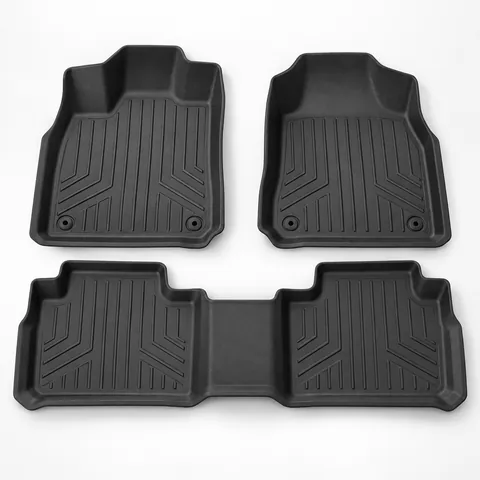 Custom-fit truck floor liners
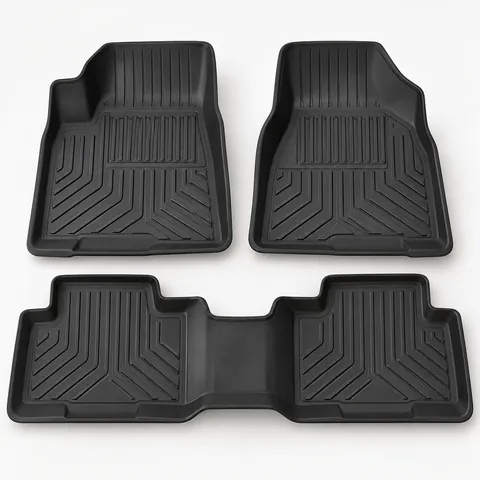 All-weather rubber truck mats
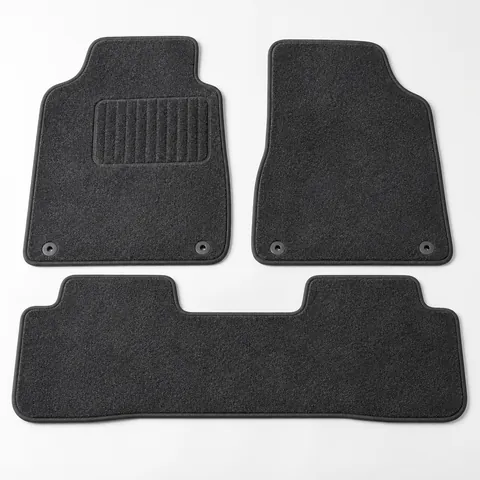 Carpet truck mats
Picks by use
| Use | Look for |
|---|---|
| Job sites, mud, snow | Custom-fit liners with high edges |
| Daily driving, mixed weather | Custom-fit rubber mats or liners |
| Dry climate, commuter | Quality carpet mats with heel pad |
| Fleet and work trucks | Heavy-duty rubber, easy to swap |
| Families with kids in the rear | One-piece rear liner covering the hump |
Compare custom-fit liners and rubber truck mats, checking the fit listing for your cab.
Crew cab rear coverage
Crew cabs have a large rear floor that collects mud from kids’ boots and tools. A one-piece rear liner covering the whole floor, including the centre hump, catches more than two separate mats. Check whether it fits around under-seat storage or subwoofer boxes if your truck has them.
Checklist
- Exact vehicle and cab match.
- Uses factory retention points.
- Edge height suits your conditions.
- Material is odour-free and does not curl in heat or crack in cold.
- Easy to remove and clean.
- Warranty terms.
What is the difference between truck floor liners and floor mats?
Truck floor liners and floor mats are often sold together in search results, but they solve slightly different problems. A liner is usually molded to the truck floor and is designed to contain liquid, slush and grit. A mat is usually flatter and easier to lift out, but it may not protect the door-side edges, dead pedal area or center tunnel as well.
| Choice | Best use | Main trade-off |
|---|---|---|
| Custom-fit liner | Mud, snow, work boots, pets and kids | Usually costs more and may take more effort to remove |
| Rubber mat | Everyday driving, light dirt, fast cleanup | May leave some carpet exposed around the edges |
| Carpet mat | Dry climates and comfort-focused commuting | Absorbs moisture and needs more drying time |
| Universal trim-to-fit mat | Older trucks or temporary coverage | Fit and pedal clearance must be checked carefully |
If your truck regularly sees wet gear, gravel or road salt, start with custom-fit truck floor liners. If you want something simpler and flexible for mixed use, all-weather rubber truck mats can be the better value. Carpet is mainly for drivers who want a quieter, more finished cabin and do not track in much water.
How to confirm the right fit before you buy
Fit is the detail that separates a useful truck mat from one that slides around or leaves carpet exposed. Do not rely on the truck name alone. The same model can have different floors depending on cab size, model year, transmission tunnel shape, seat layout and optional storage.
- Enter the exact year, make and model, then confirm the cab: regular cab, extended cab, double cab, crew cab or mega cab if applicable.
- Check the seating layout. Front bench seats, bucket seats and full-length center consoles can require different front mats.
- Look at the rear floor. Some trucks have under-seat storage, floor-mounted vents, a storage box or a raised center hump that changes rear mat shape.
- Confirm whether the listing covers the first row only, second row only or a full set. Product photos sometimes show a full set even when the item sold is only one row.
- Read the fit notes for exclusions. Phrases such as "without vinyl floor," "with floor shifter" or "without rear storage" matter.
- Compare the retention holes in the product image with the anchors in your truck. A correct mat should attach without forcing, cutting or leaving the hook unused.
If your truck has factory vinyl flooring instead of carpet, check compatibility carefully. Some mats are shaped for carpet thickness and may not lock down the same way on vinyl. For work trucks, this is a common source of fit problems.
What floor mat material is best for a truck?
Material affects grip, smell, stiffness, cleaning and how the mat behaves in temperature swings. There is no single best material for every truck, but there are clear signs of a better choice for your use.
- Rubber: Flexible, easy to rinse and usually grippy under boots. It is a practical choice when you remove mats often or carry dirty gear.
- Thermoplastic or molded polymer: Common in custom liners. It can hold a defined tray shape with raised edges, but some versions feel more rigid than rubber.
- Carpet: Comfortable underfoot and often matches the interior better. It is not ideal for standing water, melting snow or job-site mud.
- Hybrid designs: Some mats combine a carpet-like top with a rubber backing. They can look cleaner in a daily driver, but the top layer still needs drying when wet.
For cold climates, look for material that stays flexible enough to remove without fighting it. For hot climates, avoid mats that curl at corners or soften enough to shift. For dusty areas, a patterned surface can help trap grit, but deep channels may take longer to clean.
Installation and safety checks after the mats arrive
A truck floor mat should protect the floor without interfering with driving. Before using the truck, install the driver-side mat in good light and check every point where it could move.
- Remove old mats first. Stacking mats can raise the surface and create pedal interference.
- Snap or hook the mat into the factory retention points if your truck has them.
- Press the accelerator and brake through their full travel while parked. The mat should not touch, catch or bunch near either pedal.
- Check the left footrest and seat tracks. A mat wedged under a seat rail can curl later when the seat is moved.
- Slide the driver seat forward and back to make sure the mat does not pull loose.
- After the first week, recheck the corners. Shipping folds sometimes relax, and the mat may settle into place.
If a universal mat needs trimming, cut less than you think at first and test fit repeatedly. Never trim around the pedals in a way that leaves a loose flap. If the mat cannot sit flat and stay anchored, choose a different design rather than trying to force it to work.
How to clean truck floor mats without damaging them
Cleaning method depends on the material. The main goal is to remove grit before it acts like sandpaper and to dry the mat fully before reinstalling it over carpet.
Rubber and molded liners
- Lift the mat out carefully so trapped water and dirt do not spill onto the carpet.
- Shake or brush off loose debris.
- Rinse with water, then use mild soap if road film or grease remains.
- Scrub channels and corners with a soft or medium brush.
- Rinse again and let the mat dry before putting it back.
Carpet truck mats
Vacuum first, then spot clean with a fabric-safe cleaner. Use as little water as practical and let the mat dry completely outside the truck. If the backing traps moisture against the carpet, odors and mildew can develop.
Avoid slippery dressings on any driver-side mat. A shiny finish may look clean, but it can reduce shoe grip. If you prefer a softer interior feel and drive mostly in dry conditions, compare carpet truck mats with a reinforced heel pad and a backing that resists sliding.
Frequently asked questions
Are custom-fit truck floor mats worth it?
They are worth considering if you want better edge coverage, a cleaner fit and less movement underfoot. They are most useful in trucks that see snow, mud, road salt or frequent passenger use. If your truck is older, used lightly or has an unusual floor, a simpler rubber mat may be enough.
Can I use universal floor mats in a truck?
Yes, but the driver-side mat must be checked carefully for pedal clearance and secure placement. Universal mats often leave more carpet exposed and may need trimming. They are better for temporary use, older trucks or low-risk passenger areas than for a hard-used driver footwell.
Do truck floor mats fit over vinyl flooring?
Some do, but not all. Mats designed for carpet may rely on carpet thickness or factory anchors that are different on vinyl-floor work trucks. Always check the fit notes for vinyl flooring, especially on fleet, base-trim and commercial trucks.
How do I stop truck floor mats from sliding?
Use the factory retention hooks or posts whenever the truck has them, and do not stack new mats on top of old ones. Make sure the bottom of the mat is clean and the floor is dry before installation. If the mat still moves, replace it with a design made for your exact truck rather than adding loose tape or clips near the pedals.
Should I buy front mats only or a full set?
Buy front mats only if the rear seat is rarely used or you need to replace a worn driver mat. A full set makes more sense for crew cabs, family use, pets, rideshare driving or work trucks with passengers. Check whether the rear piece is one-piece or two-piece before ordering.
Disclosure: As an Amazon Associate I earn from qualifying purchases. This site may earn a commission when you buy through its links, at no extra cost to you. Product details come from public manufacturer information; always check the merchant page for current specifications and prices. We have not hands-on tested the products described here.